

Conservatory Door Repairs
Conservatory doors are an excellent way to bring in natural light into your home and enhance the sense of space. However, it's important to keep in mind that these doors need regular maintenance and repairs.
Locksmiths are experts who fix and secure locks on different structures, like conservatories. Here are a few of the most common problems you should be aware of with your conservatory door.
The locks are not working properly
It is important to have a safe conservatory for homeowners. This gives them peace of mind knowing that their property and belongings are safe. Over time the doors may become damaged and compromise the security of your home. If you're experiencing problems with your conservatory, it's best to speak with a local locksmith to fix it as soon as possible.
Locks that fail can be caused by a number of different factors. The most common reason is that the mechanism might be out of alignment. This is typically a simple fix, but it could be difficult to diagnose if you don't know what to look for. A locksmith is capable of helping you identify the root of the issue and recommend the best method of action.
A lock that feels clunky or stiff is a different issue that can be found. This could be because the lock mechanism is expanding or contracting in response temperature changes. This is more frequent with uPVC door frames as well as doors, as the locking parts can be placed in different apertures. A uPVC locksmith can help you solve this issue by adjusting the mechanism for locking.
A damaged handle or locking mechanism could be caused by debris like small stones catching in the hinges of the door frame. This could stop the door from closing and could also be a security threat as it could allow an intruder to access your home. If you find problems with the door lock or handle, don't try to close or open it as this can cause damage to the mechanism, and could lead to further issues later on.
Glass panes damaged
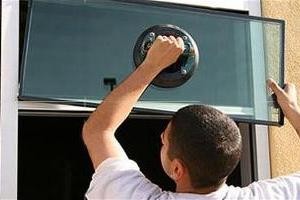
Glass that is cracked or broken in the door of a conservatory isn't an indication that the entire door needs to be replaced. Replacing a single pane is much simpler and less expensive than replacing the entire door. It's a good idea wear work gloves before you begin, and then cover the floor with a sheet to stop glass fragments from falling on your feet. It is important to ensure you have all the tools required to complete the task.
Start by cleaning the damaged glass using a microfibre or free rag. Then, if needed apply an acidic glass cleaner to get rid of the stubborn marks and stains.
After the glass has been cleaned, you can measure the dimensions and order a new piece at your local hardware or glass shop. You can also cut the new glass yourself with the glass cutter and a straight edge. It is crucial to cut the new glass to a dimension that is 1/8 inch smaller than your frame opening. This will allow for the window to expand or contract depending on the weather conditions.
If you are using a new pane glass, you should use glass that is tempered. Tempered glass is able to withstand sudden temperature changes. After you've put in the new glass, it's a good idea to apply a sealant along the edges of the window to stop it from coming loose or breaking in the future.
The next step is to replace the molding or trim around the glass. Based on the guidelines of the manufacturer it could be different but generally you can remove the trim pieces you have previously removed, scrape off any paint and caulk with the help of a chisel or pry bar and then paint the trim to match the rest of the French doors.
Loose hardware
A handle that is loose is not only a cosmetic issue; it can also cause the door to stick when closed. A door that is stuck could be an indicator of other problems, such as structural or structural damage. It is essential to fix this issue as soon as possible.
The screws that attach the hinges to your door and frame are often damaged or stripped. This is a quick and simple DIY project. To tighten the screws, you'll require an appropriate screwdriver and a drill/driver that fits the screw heads. Start by tightening the top hinge and move to the bottom. Be careful not over-tightening the screws, as this can cause damage to the frame and handle.
If the hinges are still loose, apply wood glue or wood filler to the holes that were ripped. Once the wood filler is dry you can screw the hinges into the proper position. When replacing screws, select screws that have a larger gauge size than the originals to ensure that they are sturdy enough to hold the weight of the door.
To stop the hinges from getting loose, lubricate them with mineral or jojoba oil regularly. This will lessen friction which will allow the door to close and open effortlessly. A few drops of oil will suffice to make an impact. Also, think about adding a third hinge on heavier doors to help distribute the weight more evenly and help keep the hinges from becoming loose. Contact a door expert, such as Pinnacle Home Improvements, if you have additional questions.
Drafts and loss of heat
If you feel that there is a draft coming through your conservatory, this could indicate that your windows or doors seals are failing. These gaps can cause discomfort and raise energy costs. It is crucial to repair them as soon as you can.
This problem is often caused by worn-out weather stripping and door sweeps, but other factors like the hinges being loose or misaligned could also be responsible. Replace these items with premium ones that are more durable and efficient.
The loss of heat is a common problem with conservatory doors. This is particularly the case when the glass is damaged or frosted and can lead to higher bills. To reduce upvc conservatory roof repairs near me of heat, you'll need to consider upgrading your windows with uPVC or aluminium options which are more efficient at insulation for your home.
One of the simplest methods to determine whether your conservatory doors are drafty is by using a fan or hair dryer to create a breeze near the door and then feeling for any temperature change. You can also stand on a piece of cardboard close to the door to determine if you feel any air blowing through.
While you can do some repairs yourself, it's always a good idea to hire a professional for problems like defective locks and broken glass panes. It's also crucial to choose an established company that has experience in dealing with these issues and provide references from previous customers. By making the effort to carry out regular maintenance and making prompt repairs, you can keep your conservatory doors looking and functioning in the best possible way.
In a difficult time opening or closing a door
If you are having difficulty opening or closing the door to your conservatory it could be a sign of a larger issue. It is best to get a locksmith in as soon as you can and ensure that your conservatory remains secure and free from unwanted guests. A locksmith can suggest upgrades to your conservatory, which will improve security, increase efficiency in energy usage, and also give it a fresh look.
The difficulty of opening or closing your conservatory doors could usually be caused by a misaligned bottom wall plate. This is particularly prevalent in older homes where the floor has changed over time. This is a relatively simple fix since the wall plates are easily moved manually to align them. It is also important to note that the effects of seasonal changes can cause doors to work differently at different times of the year, so it could be better to wait and observe whether the issue becomes better or worse in the next few months.
The conservatories' painted surfaces should be maintained in a similar way as the wooden trims around the house. Wood can absorb moisture if it is not maintained regularly. This could cause the wood to expand and rub against other surfaces. This can lead to problems such as sticking windows or doors. Moisture can also cause mould and fungi to develop, so it is important to address this immediately if you notice it.
When you're installing a new door for your conservatory, it's crucial to keep in mind that you must adhere to the relevant Building Regulations. This includes making sure that the door you install between your conservatory and your home is fire-rated. A FENSA or CERTASS certified installer can provide advice on this and help you through the process.